Publish Date: 24-12-2025
Auto Insurance
Does Car Insurance Cover Fire Damage?
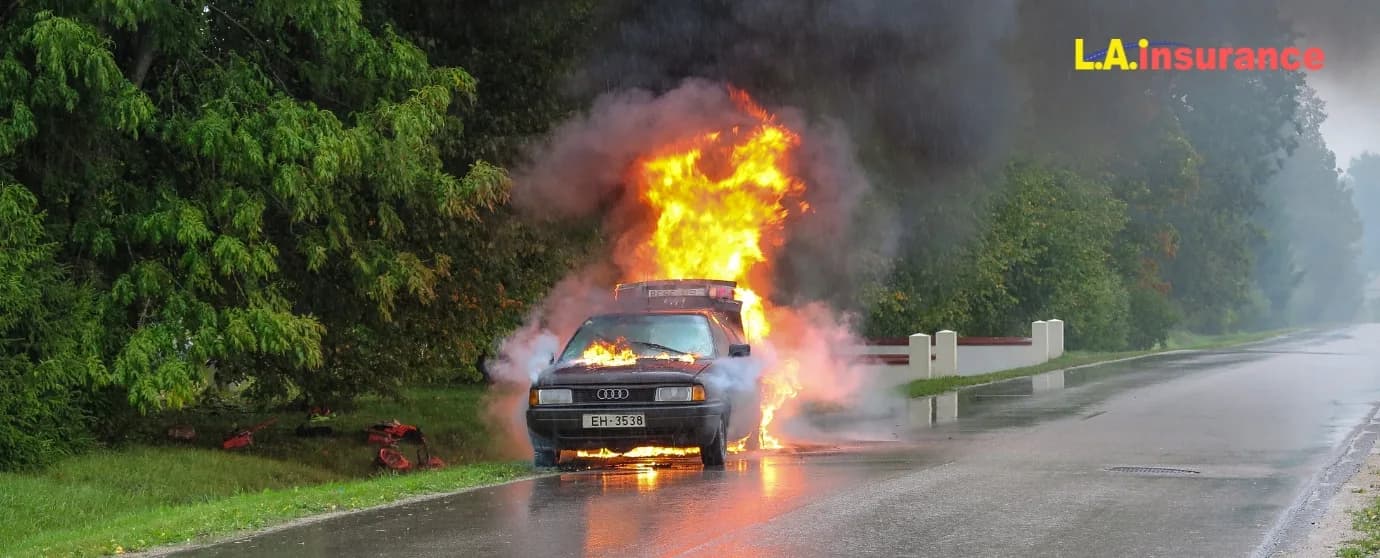
A car fire can be devastating, but if you have the right coverage, you can be on the safer side, at least financially. So, the answer is yes. Car insurance does cover fire damage. Most drivers are protected when they carry comprehensive coverage, since it can cover fire damage to your car from mechanical issues, wildfires, garage fires, or arson, as long as the event wasn’t intentional. If a crash sparks the fire, collision coverage may step in. And if the fire is a consequence of an accident caused by another driver, their liability insurance policy may cover the damage.
What Types of Car Insurance Cover Fire Damage?
Fire damage is only covered when your car insurance policy includes the right protection. Two coverages matter the most in this situation. Comprehensive insurance handles most car fires, especially when the cause is unrelated to a crash. But collision insurance can also help in rare situations when an accident triggers a blaze. Together, these coverages give you the strongest protection when you want insurance to pay for damages from fire.
Comprehensive Auto Insurance
Comprehensive car insurance is the main coverage that can cover fire damage to your car. It protects your vehicle from non-collision events, including fires, theft, hurricane damage, water damage from rain or flood, vandalism, wildfire, smoke damage, and hail damage. It also applies when a mechanical issue, electrical short, or garage fire destroys the car. Because these events are outside your control. Comprehensive coverage usually steps in as long as the fire wasn’t an intentional act. You pay your deductible, and your insurer covers the rest based on the car’s actual cash value. This coverage is essential when you want insurance to continue protecting you from unpredictable emergencies.
Learn More: Does liability insurance cover theft?
Collision Auto Insurance in Some Cases
Collision car insurance coverage only helps when a crash causes a fire. For example, if a fuel line ruptures after impact, collision coverage can pay for damages. It may also apply when another driver hits you and the fire starts immediately. In that case, your insurer might handle the claim first, then pursue the at-fault driver’s liability insurance later. Even though this situation is less common, it shows why comprehensive and collision coverage together offer better protection during serious emergencies.
Does Full Coverage Car Insurance Cover Fire Damage?
Yes. Full coverage car insurance usually means you carry comprehensive and collision coverage, and that combination can protect your vehicle in almost every fire scenario. Comprehensive handles most car fires, including electrical issues, mechanical failures, garage fires, wildfire, vandalism, and arson as long as it wasn’t an intentional act by the owner. A collision may help when a crash directly triggers the flames. In both cases, the insurer pays up to the car’s actual cash value, minus your deductible. Because car fires often cause a total loss, full coverage gives U.S. drivers the best chance to recover financially.
Need a low-cost full coverage auto insurance policy today? Request a quote from L.A. Insurance or give us a call at (800) 893-9393.
Does Liability Car Insurance Cover Fire Damage?
Liability auto insurance coverage does not cover fire damage to your own car. It only pays for property damage or injury you cause to others. So, if your engine ignites, your car burns in a garage, or a natural disaster destroys it, liability-only leaves you with the entire loss out of pocket. The only time liability plays a role is when another driver causes the accident and their policy must pay for your fire damage. Even then, you’ll need your own collision coverage for faster repairs before your insurer reimburses your company. This is why liability-only insurance offers no real protection when fire destroys your car.
Common Causes of Car Fire Damages
Car fires start for many different reasons, and most involve issues inside the vehicle long before flames appear. To stay ahead of problems and protect your car from severe fire damage, you need to understand the common causes. Many fires begin with small warning signs, yet they can spread quickly and lead to major property damage or a total loss if ignored. Here are the most common causes you should know:
- Fuel leaks. Gasoline can ignite quickly when it reaches hot engine parts, especially after a leak or damaged fuel line.
- Electrical system failures. Exposed wiring, blown fuses, or short circuits can create sparks that trigger car fires
- Engine overheating. Low coolant, failing fans, or mechanical issues can cause dangerous heat buildup that leads to flames.
- Poor maintenance. Ignoring leaks, warning lights, or worn components increases the chance of fire from mechanical breakdowns.
- Car accidents or collisions. A hard impact can rupture fuel lines or damage electrical systems, resulting in a fire minutes after the crash.
- Design or manufacturing defects. Faulty parts, wiring issues, or known recalls can raise the risk of fire in certain models.
- Battery malfunctions. EV batteries can overheat or enter thermal runaway, which produces intense and fast-spreading fires.
- Arson or intentional fire. Criminal acts remain a real cause of vehicle fires, and many claims begin with suspicious damage reports.
- Other less common risks. These include overheated catalytic converters, spilled fluids, aftermarket parts, smoking inside the car, or exhaust heat buildup.
How Common Are Car Fires?
Car fires are far more common in the U.S. than most drivers think, and the national data shows that clearly. According to the USFA, which is part of the Federal Emergency Management Agency (FEMA), one in every eight fires that fire departments handle is a highway vehicle fire.
National Fire Protection Association (NFPA) research also shows that vehicle fires account for about 16% of all reported fires nationwide, reinforcing how often they happen. In 2021, the U.S. recorded roughly 174,000 highway vehicle fires, which equals nearly 19 fires every hour, based on several national estimates.
FEMA and U.S. Fire Administration (USFA) data also highlight the impact, noting an average of 171,500 vehicle fires per year, causing about 345 deaths, 1,300 injuries, and more than $1 billion in property loss annually. These numbers show why staying aware of fire risks, especially in older vehicles, matters so much for everyday drivers.
What Kind of Fire Damage Does Car Insurance Cover?
Car insurance covers several types of fire damage. The cause of the fire decides which coverage applies. Most non-collision fires fall under comprehensive, and crash-related fires usually fall under collision. The table below shows how each fire scenario is treated:
Cause of Car Fire | Covered? | Coverage Type Applies |
Mechanical or electrical failure | Yes | Comprehensive insurance |
Fuel leaks or engine overheating | Yes | Comprehensive insurance |
Wildfire or natural disaster | Yes | Comprehensive insurance |
Garage or house fire | Yes | Comprehensive insurance |
Arson by a third party | Yes | Comprehensive insurance |
Owner-caused or intentional fire | No | Not covered |
Car accident (collision) | Yes | Collision coverage or at-fault driver’s liability |
Battery malfunction / EV thermal runaway | Yes | Comprehensive insurance |
Manufacturing or design defects | Yes | Comprehensive insurance |
Smoking, spilled fluids, or converter heat | Often | Comprehensive (unless extreme negligence) |
Personal items burned inside the car | No | Homeowners or renters insurance |
When Doesn’t Car Insurance Cover Fire Damage?
Car insurance won’t help in every situation, even when the loss involves fire damage. Coverage depends on your policy, the cause of the fire, and whether your actions played a role. Understanding the limits helps you avoid surprises when you try to file a claim.
Here are the most common situations where insurance will not cover the loss:
Intentional act by the owner. If someone sets their own vehicle on fire, the insurer will deny the claim because policies never cover willful damage.
- Negligence that goes beyond normal mistakes. Extreme carelessness, like storing gasoline inside the car, can lead to a denied claim.
- No comprehensive car insurance on the policy. A driver with liability-only has no protection for car fires, natural events, or electrical failures.
- Fire caused during illegal activity. If the damage happens while committing a crime, the insurer may refuse to cover fire damage to your car.
- Damage that falls under property exclusions. For example, personal items burned inside the car require homeowners' or renters' insurance, not auto insurance.
Will My Auto Insurance Cover Wildfire or Natural Fire Damage?
Yes. Most wildfire and natural fire damage is covered when you carry comprehensive auto insurance. It protects your vehicle from non-collision events like wildfires, lightning strikes, falling debris, and smoke damage. However, the coverage must already be active before the fire starts, since insurers often pause policy changes during active wildfire events. And this is important because natural fires can destroy a car within minutes, and the repair costs or total loss payout will depend on your actual cash value minus your deductible.
Does Car Insurance Cover Personal Items Lost in a Fire?
No. Your car insurance policy does not cover personal belongings destroyed inside the vehicle. Items like laptops, tools, clothing, or bags fall under homeowners or renters insurance because auto coverage only protects the vehicle itself. Most home policies include off-premises property coverage, which helps replace personal items lost in a car fire, subject to your home policy’s limits and deductible. Auto insurers only cover permanently installed equipment; anything removable requires a home or renters claim.
Will Auto Insurance Pay If I Accidentally Set My Car on Fire?
Yes, accidental fires are generally covered under comprehensive car insurance, as long as there was no intentional act involved. Insurers understand that accidents happen, whether it’s a garage mishap, a dropped cigarette, or a small mistake that spreads. The key issue is intent. If you didn’t mean to cause the fire, your insurer will typically pay for damages after you file a claim. They may investigate the car fire damage, but genuine accidents fall under normal comprehensive protection.
What Happens If My Car Is Totaled in a Fire?
A severe car fire can destroy major parts of the vehicle, and insurers often decide it’s a total loss. This happens when repair costs approach or exceed the car’s actual cash value. When that’s the case, your insurer pays the ACV minus your deductible, then takes ownership of the burned car. However, if you have a loan or lease, the payout usually goes to the lender first. And if the settlement doesn’t cover the remaining balance, gap insurance can help close that difference. Since fire damage spreads quickly, many claims end with a total-loss decision, especially in older cars with lower market value.
Car Fire Insurance Claim Process
- Wondering how to file a fire damage claim for your car? Well, filing a fire damage claim is easier when you know what to expect. Follow these steps to file your car fire damage claim successfully:
- 1. Make sure the area is safe. Wait for firefighters to fully extinguish the vehicle before approaching it.
- 2. Notify your insurance company. Call your insurer as soon as possible and report the fire. They’ll open an insurance claim and assign an adjuster.
- 3. Document the damage. Take clear photos and videos of the car and any surrounding property damage. If firefighters responded, ask for a copy of the report.
- 4. Follow your adjuster’s guidance. They may arrange towing, recommend a repair shop, or request additional documents.
- 5. Get a damage evaluation. A body shop or appraisal team will assess whether repairs are possible or if the car is a total loss. If it’s repairable, get a repair estimate.
- 6. Review your settlement. If the fire is covered, your insurer will pay for damages according to your car insurance policy, minus your deductible. For total-loss cases, you’ll receive the car’s actual cash value.
What Should I Do If My Car Catches Fire?
If your car catches fire, safety should be your first concern. If you notice smoke, flames, or a burning smell, pull over immediately and shut off the engine. Move everyone out of the vehicle and step far back, since fires can spread quickly and may cause small explosions. Call 911 as soon as you reach a safe distance, then wait for firefighters to handle the emergency. Once the scene is secure, document the damage and contact your insurance company to start your claim. Acting quickly and responsibly helps protect you and speeds up the process later.
How to Prevent Car Fires
- Preventing car fires starts with simple habits that lower your risk and protect your vehicle from costly fire damage. Most fires begin with overlooked maintenance problems, heat buildup, electrical issues, or unsafe storage. Here are the steps you should follow to protect your car from fire damage:
- Stay on top of maintenance. Fix leaks, worn hoses, strange smells, or warning lights right away to avoid dangerous heat or sparks.
- Check electrical components. Look for exposed wires, repeated blown fuses, or signs of melting plastic. These issues can trigger electrical fires.
- Watch for overheating. Keep oil and coolant at proper levels and repair any cooling system problems immediately.
- Follow recall notices. Schedule repairs for manufacturer defects, especially involving wiring, fuel systems, or EV batteries.
- Be careful with flammable materials. Avoid smoking in the car and never store gasoline or fuel containers inside the cabin.
- Park safely when wildfire risk is high. Avoid dry grass and move your vehicle away from active fire zones when possible.
- Use enclosed or shaded parking. Garages or carports help protect the car from arson, extreme heat, and falling debris.
- Protect against smoke and ash. Cover the vehicle during wildfire conditions to reduce interior and engine contamination.
- Handle EV batteries responsibly. Watch for damage, overheating, or warning messages, since battery issues can escalate into thermal runaway.
- Use proper replacement parts. Let certified mechanics handle major repairs and avoid unsafe aftermarket modifications.
Does Insurance Cover Fire Damage on a Car: The Bottom Line
A fire can destroy your car quickly. That’s why you need the right coverage. Full coverage with comprehensive protects you from non‑collision fires, while collision covers fire caused by an accident. Remember, liability-only won’t pay for your loss. So, if you know your policy and act quickly after a fire, you’ll be in a much better position to recover without facing heavy financial stress.
Car Fire Damage and Auto Insurance FAQs
Does car insurance cover electrical fires or engine fires?
Yes, as long as you carry comprehensive. Electrical shorts and engine failures fall under accidental, non-collision causes, so insurance will cover them unless extreme negligence is involved
Will my rate go up after a fire claim?
Your car insurance rate may go up a little, but not as much as it would after a collision. According to insurance rate comparison site The Zebra, a typical comprehensive claim increases premiums by about 5%. Two claims push it closer to 9%. In real numbers, most drivers pay roughly $55 more after one claim and about $94 more after two.
How long does a fire claim take?
Many fire claims are settled within a few days to a few weeks, depending on inspections and paperwork. Does fire damage make the car a total loss? Often yes. Fire spreads quickly and can destroy wiring, metal, and interior parts and make repairs more expensive than the actual cash value of the vehicle.
How much will my insurer pay if my car is totaled in a fire?
Your insurer pays the actual cash value minus your deductible. If you have a loan, the payment usually goes to the lender. Gap insurance can help if you owe more than the car’s value.
If my garage burns down with my car inside, is the car covered by home insurance or auto insurance?
Your car insurance policy must cover the vehicle. Homeowners insurance covers the structure, not licensed vehicles. Comprehensive handles the car’s fire damage.
Does car insurance cover cigarette burns?
Usually no. Cigarette burns are treated as wear and tear, not a sudden fire event, so they’re excluded even with full coverage.
Does insurance cover fire damage if the car was old?
Yes. Older cars are often at a higher fire risk, but comprehensive still applies. The payout is based on the car’s actual cash value, which is lower for older models.
Does car insurance cover arson?
Yes, if you’re the victim. Comprehensive covers arson by someone else. But any intentional act by the owner is not covered and is treated as fraud.
Does auto insurance cover fire damage from an accident?
Yes. If a crash triggers the fire, collision coverage applies. If another driver caused the accident, their liability insurance may pay for your damages instead.
Tag :
Auto insurance
cheap car insurance
fast car insurance
Does Car Insurance Cover Fire Damage?
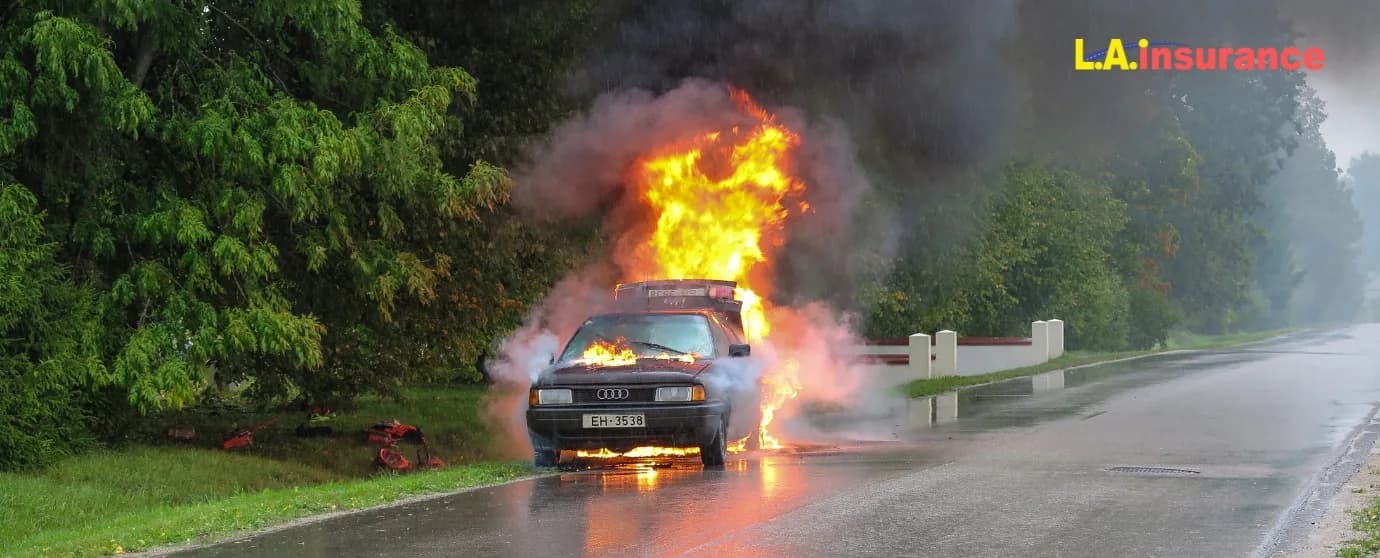
A car fire can be devastating, but if you have the right coverage, you can be on the safer side, at least financially. So, the answer is yes. Car insurance does cover fire damage. Most drivers are protected when they carry comprehensive coverage, since it can cover fire damage to your car from mechanical issues, wildfires, garage fires, or arson, as long as the event wasn’t intentional. If a crash sparks the fire, collision coverage may step in. And if the fire is a consequence of an accident caused by another driver, their liability insurance policy may cover the damage.
Does Full Coverage Car Insurance Cover Flood Damage?
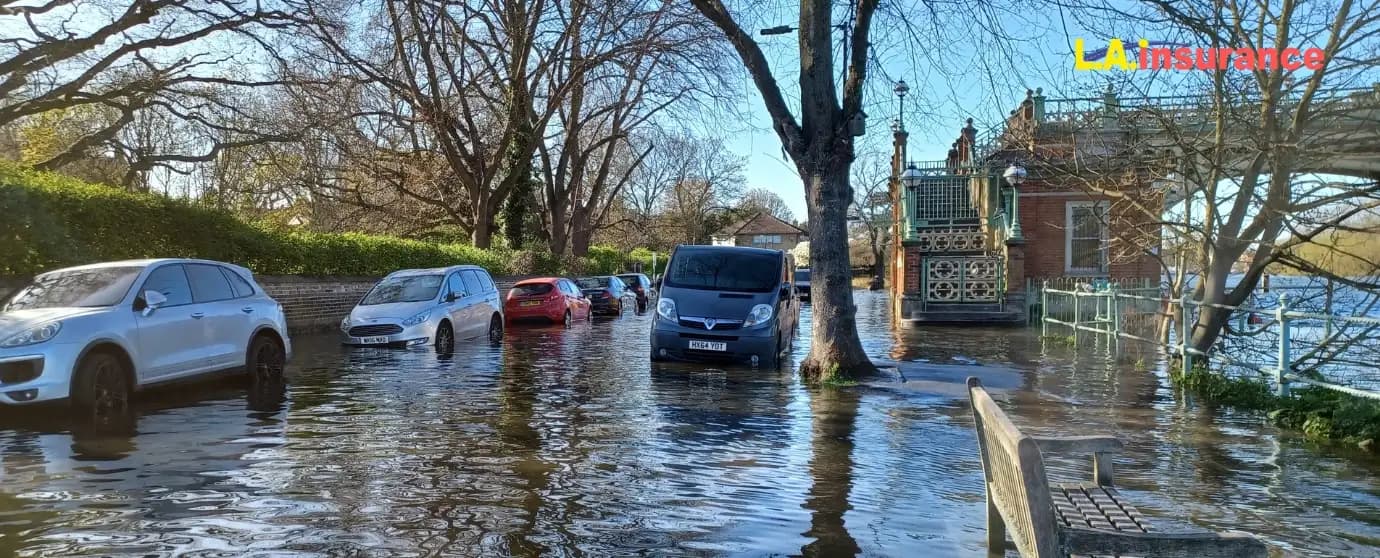
Yes, full coverage car insurance covers flood damage. It protects your car through comprehensive coverage (part of full coverage), which handles most water and storm-related losses. If you carry comprehensive or full coverage, your insurer will help repair or replace your vehicle when rising water, heavy rain, or a sudden flood damages it. It’s one of the few coverages that steps in when a natural disaster affects your car
Does Auto Insurance Cover Hurricane Damage?
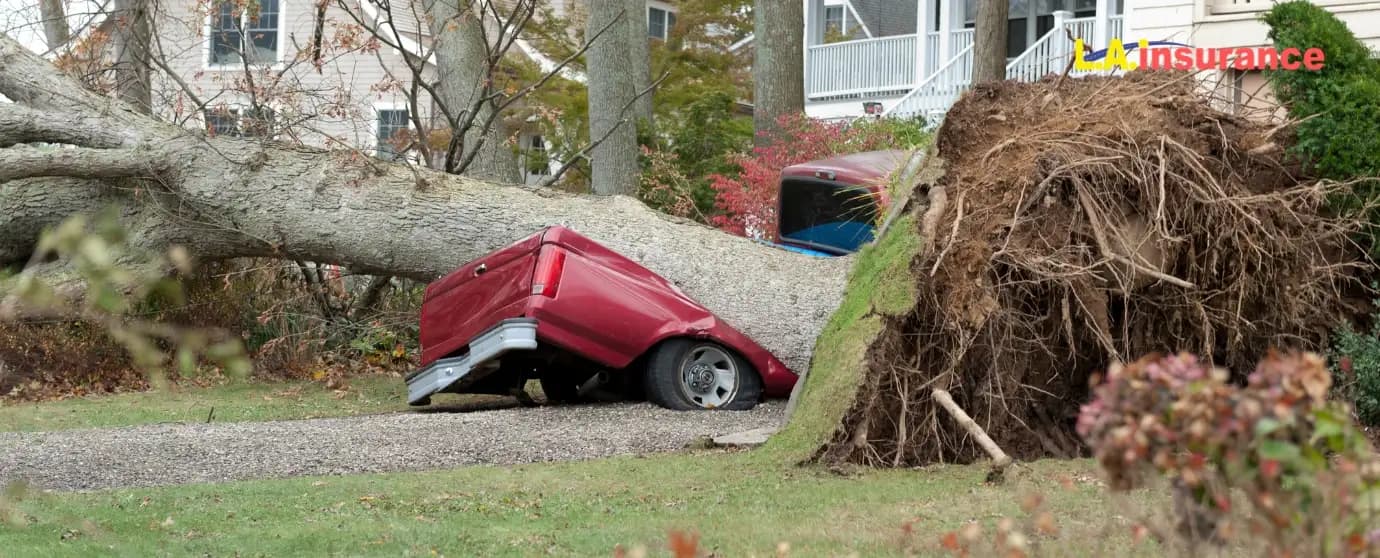
Hurricanes pose a serious threat to vehicles, particularly when storms move inland. In 2024, CARFAX reported more than 347,000 hurricane-related vehicle damages. Floodwaters can quickly destroy engines, while powerful winds and flying debris may total a car within minutes. This is why understanding whether your auto insurance covers hurricane damage is so important.
How to Cancel Car Insurance Policy?
You may want to cancel your car insurance policy for many reasons. Maybe you sold your car, found a cheaper rate, or moved to a new state. Whatever the case, canceling auto insurance isn’t as simple as stopping payments. You’ll need to contact your insurer, sign a cancellation form, and confirm your cancellation date to avoid a lapse in coverage. Each insurance company has its own process. This article will walk you through all the details you need to successfully cancel your car insurance policy.
What Is Property Protection Insurance Michigan?
Property protection insurance in Michigan works differently because the state follows no-fault laws. Many drivers confuse it with property damage liability or other auto terms, which makes it a bit complicated. This car insurance definition guide gives you a clear view of how property protection insurance works and what it pays for when a car accident damages someone else’s property.
What Is Property Damage Liability Insurance?
On average, a crash that results in property damage costs about $6,300 per vehicle, according to the most recent data from the National Safety Council (NSC). However, having property damage liability auto insurance can protect you from this huge financial burden, as it covers the cost of vehicle repairs or other property-related losses you’re responsible for.