
Publish Date: 17-12-2025
Auto Insurance
Last Updated: 19-12-2025
How to Cancel Car Insurance Policy?
You may want to cancel your car insurance policy for many reasons. Maybe you sold your car, found a cheaper rate, or moved to a new state. Whatever the case, canceling auto insurance isn’t as simple as stopping payments. You’ll need to contact your insurer, sign a cancellation form, and confirm your cancellation date to avoid a lapse in coverage. Each insurance company has its own process. This article will walk you through all the details you need to successfully cancel your car insurance policy.
5 Easy Steps to Cancel Car Insurance
Canceling car insurance isn’t so complicated. Sometimes it’s necessary too. However, the cancellation process does take a few careful steps. Otherwise, you might face penalties or a lapse in coverage. Besides, the process can vary depending on your insurance company and your state’s rules.
Before you cancel your existing auto insurance policy, make sure you’re covered under a new policy or no longer need insurance at all. Keep in mind that regardless of the state you’re residing in, you have to have minimum liability auto insurance or other required coverages to legally drive on public roads.
Here's how to cancel your car insurance policy in 5 easy steps:
- Get New Coverage First
- Contact Your Insurer
- Confirm Your Cancellation Date
- Return License Plates If Required Get Written Confirmation
Step 1: Get New Coverage First
Before you cancel your current auto policy, make sure you’re already protected under a new policy. This applies to anyone who plans to keep driving. Nearly every state requires active liability coverage, and even a short lapse could lead to fines, suspended registration, or higher premiums.
Furthermore, if your vehicle is financed and you haven’t fully paid off your loan, you might have to keep comprehensive and collision auto insurance too, as part of your loan agreement. So, before you cancel the policy for a financed car, give it some thought as well.
If you’re switching insurance companies, schedule your new policy’s start date to begin the same day your old one ends. This way, you actually keep coverage continuous and avoid the hassle of exploring coverage lapse and grace period. Plus, you become financially secure even if an accident happens during the transition.
But not everyone needs new coverage. If you’ve sold your car and don’t plan to drive anymore, you can cancel your policy once the sale is finalized and the vehicle is no longer registered in your name. The same thing goes for a total loss vehicle.
If you’re switching to a new insurance provider, request a quote from L.A. Insurance. We ensure quality and affordable auto insurance coverage and offer various ways to reduce rates.
Step 2: Contact Your Insurer
Once you’ve secured new coverage or confirmed you no longer need one, the next step is to contact your insurer. Every insurance provider has its own procedures, so be sure to follow yours correctly.
If you’re one of the valued policyholders of L.A. Insurance and unfortunately can no longer stay with us, you can cancel your policy by calling (800) 893-9393, speaking with an insurance agent, or visiting the nearest L.A. Insurance office.
However, if you want to cancel your policy from Progressive, GEICO, State Farm, or other insurance providers, call their customer service or your personal insurance agent.
You’ll usually find the phone number on your insurance card, online account, or billing statement. Some insurers might also let you cancel the policy through their mobile apps. However, many still prefer a direct call/written application to verify your request.
During the call with your insurer, let them know why and when you want to cancel it. If you’re planning to continue driving, you might have to sign a cancellation form or provide written notice, or show the new policy's active date, depending on your insurer's requirements.
And never forget to ask if there is a cancellation fee or if you’re eligible for a refund for any unused premiums. For example, in South Carolina, state laws allow insurers to charge $20 non-refundable cancellation fee at the time you buy your policy for the first time.
Step 3: Confirm Your Cancellation Date
Cancellation date is the bridge between your old and new insurance. It determines when your old coverage officially expires and when your new one activates.
Your insurer will ask you to select a cancellation date when you submit your request. If you’ve already started a new policy, the end date of your current policy should match the start date of your new one. That’s how you keep legally compliant and financially responsible and secured as a driver.
However, if you’ve sold your car or stopped driving altogether, choose a cancellation date right after the sale or the day you surrender your license plates. This proves to your insurer and the DMV that you no longer own or operate a vehicle requiring insurance.
Ask your insurance agent for written confirmation that says your policy’s final coverage day. You can show it as proof of cancellation if any billing or DMV issue arises.
Step 4: Return License Plates If Required
You may need to return your license plates to the Department of Motor Vehicles (DMV) before you cancel your insurance. However, this may vary by state laws and your specific situation.
Typically, this applies to you if you’ve sold the car, moved to a state that doesn't require registration, or plan to stop driving. If you cancel your auto insurance policy before returning your plates to the DMV, the state might assume the vehicle is still being driven uninsured. So, this could create confusion and in worst cases may result in:
- Fines or penalties.
- Suspension of your driver's license or vehicle registration.
To avoid these risks, check your state's regulations or ask your insurance agent if you need to surrender your plates first. If required, complete this step before the official cancellation date you set with your insurer.
Step 5: Get Written Confirmation
After you have completed the cancellation steps, securing new coverage, contacting your insurer, confirming the date, and dealing with license plates, the most critical final step is to obtain written proof that your policy has been canceled. This written confirmation is a very important document since it serves as an official record for your files and proves the exact date and time your coverage officially ended.
Here’s why written confirmation is necessary:
- You could avoid billing disputes so that your insurer cannot mistakenly charge a premium for another month.
- It could prevent DMV issues like flagging your car as uninsured and save you from penalties and fines.
- This could help your new insurer to verify that your last coverage was canceled properly and you haven’t had any coverage lapse.
So, always make sure to get the proof of cancellation either via fax, email, or by other means.
Can You Cancel Car Insurance at Any Time?
Yes. You can cancel auto insurance at any time, whenever you want, for any reason. Even if you purchased the policy only a few days ago, your insurer will let you cancel it. You just have to follow the right process as we discussed above.
Your insurance company might ask you for reasons for understanding if there’s anything wrong with their service, but eventually, they will respect your decision and allow you to cancel it.
Depending on the agreement and the payment you have already made, the insurer may also refund the unused portion of your insurance coverage after you cancel the auto policy.
However, if the insurance laws of the state allow to charge a cancellation fee, you might have to pay a small amount to your insurer for early cancellation.
Common Reasons to Cancel Car Insurance Policy
There are plenty of valid reasons to cancel your car insurance policy. If you sell your car, move to another state, or find a better deal, you might decide not to keep your current policy. The key is to know when it makes sense to cancel and when it’s smarter to adjust your insurance coverage instead.
Here are the most common situations where canceling your auto insurance is the right decision:
1. You Sold Your Car and Won’t be Driving Anymore
If you’ve sold your vehicle and don’t plan to buy another anytime soon, canceling your auto policy does make sense. Once the sale is done, your name is off the title, and you’ve turned in your plates (if required by your state), you no longer need car insurance coverage. Just make sure the buyer has officially taken ownership before you cancel your insurer. Don’t cancel too early, as it could make you financially vulnerable if something happens before the transfer is final.
2. You’re Switching to Another Insurance Company
One of the most common reasons to cancel your existing policy is to switch to a car insurance company that offers lower insurance premiums, better service, or lucrative car insurance discounts. If that’s your case, line up your new auto insurance policy before ending the old one. Then, ask your current insurance agent to set the cancellation date for the day your new policy begins.
3. You’re Moving to a New State or Country
Car insurance cancellation laws and coverage requirements vary by state. If you’re relocating, your current insurer might not operate in your new area, which means you’ll need to cancel your car insurance and purchase a new policy that meets local requirements. Before moving, contact your insurer’s customer service team to confirm whether they provide coverage in your new state. If they do, you might be able to transfer your policy instead of canceling it.
4. You’re No Longer Driving But Still Want Coverage
Sometimes, people stop driving for a while due to medical reasons, travel, or lifestyle changes. Instead of canceling outright, you can switch to a non-owner policy or suspend your auto insurance temporarily. That is how you can keep your insurance coverage active and avoid a lapse that might raise your rates later. Check with your insurance company about these options before final cancellation.
5. You’re Joining Someone Else’s Insurance Policy
If you’re getting married, moving in with a partner, or combining households, you might cancel your individual car insurance policy and join a shared one. Multi-vehicle policies usually come with car insurance discounts and can simplify your monthly payments. Before canceling your current coverage, ensure you’re already listed on the new policy, so there’s no coverage gap.
6. You Can’t Afford Your Current Premiums
When insurance premiums become too high, some drivers feel forced to cancel. But it’s better to talk to your insurance agent first. Depending on your insurer, you might qualify for new car insurance discounts or adjust your deductible to reduce costs. If affordability remains a long-term concern, switching to a more budget-friendly insurer might be the best choice for you.
Learn more about what to do if you can’t afford car insurance.
When Should You Cancel a Car Insurance Policy?
Timing is important when you’re getting out of your auto policy. If you cancel too early, you risk penalties. Cancel too late, you waste money. Here’s when it makes sense:
- Cancel after your new insurance coverage starts to avoid a lapse.
- Cancel once your car is sold and title transfer is complete.
- Cancel when you’ve moved to a new state and registered your car there.
- Cancel if you’ve stopped driving permanently and no longer own a vehicle.
- Cancel only after confirming with your insurance agent and DMV if required.
When You Shouldn’t Cancel Car Insurance?
Canceling isn’t always the best decision. Sometimes, keeping coverage protects you better and saves money in the long run. So, you should avoid canceling if:
- Your car is still registered or financed under your name.
- You drive occasionally, even if not daily.
- You’re leasing or financing, lenders require full coverage
- You’re taking a temporary driving break or storing your vehicle.
- You can’t afford premiums, ask your insurer about car insurance discounts instead.
- You want to avoid a lapse in coverage, which raises future rates.
Learn more: How to renew car insurance?
Do I Have to Pay a Cancellation Fee?
Whether you pay a car insurance cancellation fee depends on your insurer and state laws. Typically, you’ll be charged a cancellation fee if you cancel your auto policy before its renewal date. Some companies charge a small short-rate fee, usually around 10% of your unused premium, or a flat charge between $25 and $50. So make sure to ask your insurance agent or customer service for exact details before cancelling to avoid any unexpected costs.
Do I Get a Refund If I Cancel My Car Insurance?
In most cases, yes. You’ll get a refund for the unused portion of your car insurance if you paid your premium in advance. When you cancel the policy, your insurer calculates the remaining balance from your cancellation date and returns that amount. The process and timing can vary by state and by insurance company. So, it’s best to confirm the refund method with your insurance agent.
If you pay monthly, your refund may be small or nonexistent since payments usually cover current coverage periods. However, annual payers typically get a prorated refund after cancellation. Contact your insurer directly to verify your refund eligibility.
What If Your Insurance Company Cancels Your Policy?
Auto insurance companies can also cancel your policy. It means they simply end your car insurance coverage before the renewal date. This usually happens for reasons:
- Missed premiums
- Fraudulent claims
- Suspended driver’s license
- Too many claims or violations
In most U.S. states, depending on the state law, insurers must send written notice at least 10 to 30 days before the cancellation date.
If your policy is cancelled by your insurer, contact your insurance agent as early as possible. Try to find out why and whether you can reinstate the policy. If not, secure a new auto insurance policy right away so that you don’t go through a coverage lapse.
Keep in mind that if your policy has been ended by the insurer for a valid reason, you might face a few consequences, including:
- Immediate loss of coverage
- Higher future premium
- Possible lapse in coverage (if you don’t get a new policy quickly)
Canceling Your Auto Policy? Switch to L.A. Insurance
Every year, around 16% to 22% of policyholders cancel their policies and switch to new auto insurance plans. Mostly, they do it to save money. According to a survey conducted by Consumer Reports, the average annual savings from switching to a new insurer is roughly 32%, or $461.
If your current policy isn’t worth keeping, you can get quotes from L.A. Insurance and compare coverage and costs. We are the most affordable insurance agency in North America and have served over 10 million satisfied customers with reliable and inexpensive full-coverage car insurance. Get your auto insurance quote online or just give us a ring at (800) 893-9393.
Learn more ways to lower your car insurance rates.
Canceling Auto Insurance Policy FAQs
Can I cancel car insurance if I sell my car?
yes, you can cancel your coverage if you no longer own a car. But make sure to wait until the title transfer and bill of sale are complete and the car is officially out of your name. If you cancel too soon, you could be liable if something happens before ownership changes. In case you’re not buying a new car, let your insurer know and return your plates if your state requires it.
Should I cancel my car insurance if I stop driving?
Not always. If you plan to drive again soon, suspend your policy or switch to a non-owner car insurance plan instead. It keeps your insurance coverage active and avoids higher rates later.
Will my auto insurance be automatically canceled if I stop paying premiums?
No. Missing premiums usually triggers a grace period, after which your insurer can cancel for nonpayment. That cancellation is reported and can affect your insurance and credit. This way, you’ll eventually face higher premiums when you renew your policy.
When to cancel my car insurance if I’m switching companies?
The rule of thumb is always to cancel your current policy when your new auto insurance policy becomes active. So, try to match both start and cancellation dates to avoid any lapse in coverage or double billing.
How do I cancel car insurance in Michigan?
All Michigan drivers should contact their car insurance company or insurance agent directly to learn about the cancellation process. Each insurer has its own way. So, it’s best to contact them and let the insurer know why you want to cancel and sign a cancellation form.
Is It Bad to cancel car insurance?
Cancelling isn’t really bad if you have valid reasons behind it. Ultimately, it’s a service, and if your insurer fails to satisfy you, you have the freedom and legal rights to change your insurer. In fact, many policyholders save a substantial amount by switching to a new insurer.
How does the cancellation policy affect the car insurance record?
If you have done everything right, it won’t negatively impact your auto insurance record. However, a policy lapse from missed payments or early termination can mark you as higher-risk and raise your future insurance premiums.
Tag :
Auto insurance
cheap car insurance

How to Cancel Car Insurance Policy?
You may want to cancel your car insurance policy for many reasons. Maybe you sold your car, found a cheaper rate, or moved to a new state. Whatever the case, canceling auto insurance isn’t as simple as stopping payments. You’ll need to contact your insurer, sign a cancellation form, and confirm your cancellation date to avoid a lapse in coverage. Each insurance company has its own process. This article will walk you through all the details you need to successfully cancel your car insurance policy.

What Is Property Protection Insurance Michigan?
Property protection insurance in Michigan works differently because the state follows no-fault laws. Many drivers confuse it with property damage liability or other auto terms, which makes it a bit complicated. This car insurance definition guide gives you a clear view of how property protection insurance works and what it pays for when a car accident damages someone else’s property.
What Is Property Damage Liability Insurance?
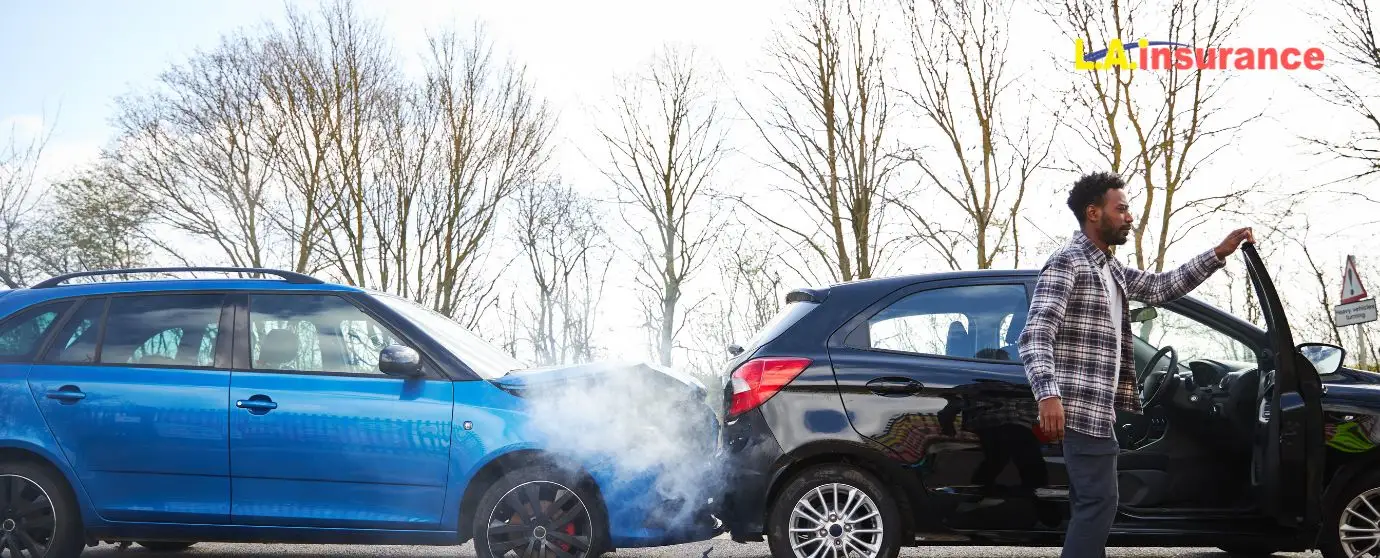
On average, a crash that results in property damage costs about $6,300 per vehicle, according to the most recent data from the National Safety Council (NSC). However, having property damage liability auto insurance can protect you from this huge financial burden, as it covers the cost of vehicle repairs or other property-related losses you’re responsible for.
What Is Bodily Injury Liability Insurance?
Bodily injury (BI) liability insurance is one of the components of liability auto insurance that protects you when you cause a car accident that hurts someone else. It helps cover the accident-related medical expenses for the other party. It can also pay for lost income, legal fees, and other costs tied to their injuries.

What Is Personal Injury Protection Insurance?
Personal Injury Protection was first introduced in 1970 as part of no-fault insurance, according to the Insurance Information Institute (III). The idea was to help people get medical care quickly after a car accident, without waiting for arguments about fault. It grew into a key part of auto insurance because it covers urgent needs such as medical bills, lost income, and other injury-related costs that follow an auto accident.

How Much Does Boat Insurance Cost?
If you’re exploring boat insurance for your dinghy, jet ski, yacht, or any other boat, the first concern that comes to mind is the cost. On average, boat insurance premiums can vary from $200 to $500 annually, but for larger boats with bigger engines, the cost can hit $1,000 or more.
As a rule of thumb, boat insurance typically runs about 1% to 3% of your boat’s current market value (and in some cases, up to 5% for high-risk vessels). For example, a $40,000 boat might cost between $400 and $1,200 annually to insure.