Publish Date: 27-01-2026
Auto Insurance
Does Car Insurance Cover Theft?
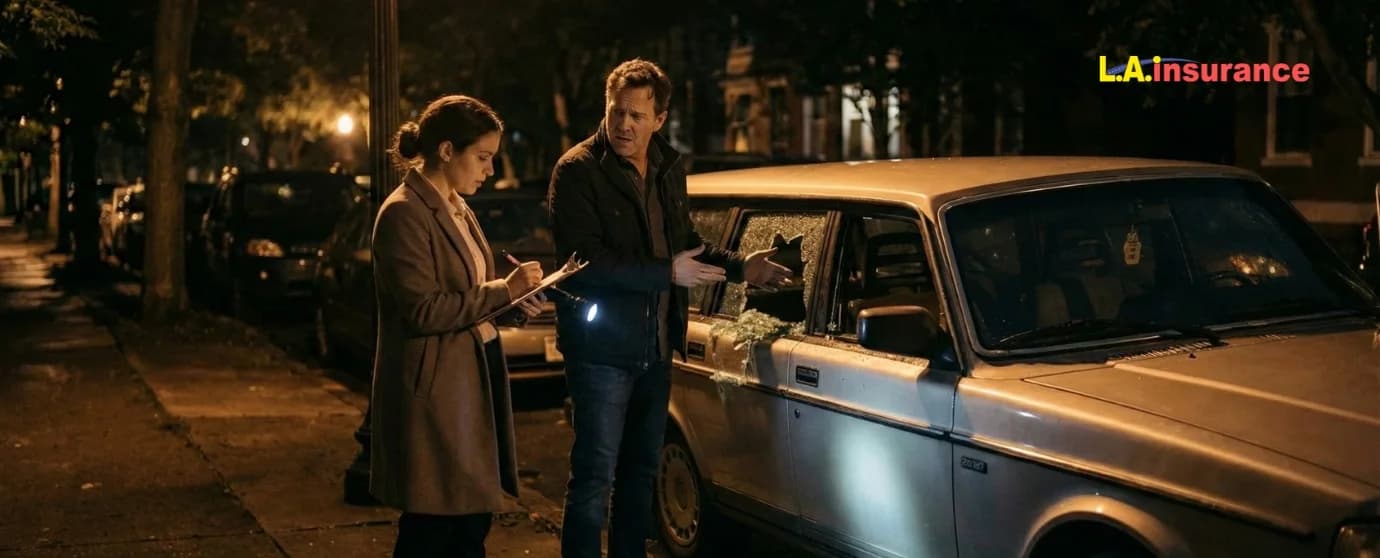
Just take a moment to imagine how it would feel if you noticed shattered glass where your car was parked, but that’s all there is, your car is gone! In the blink of an eye, it hits you that your car was stolen!
Doesn’t it feel daunting just thinking about a situation like that? Well, here’s an uncomfortable reality check; car thefts still do happen and a lot! According to NICB’s most recent car theft statistics, 334,114 vehicles were stolen in the first half of 2025. In another NICB report, here’s the car theft data from 2020 to 2024.
- 2020: 880,595 cars were stolen
- 2021: 932,329 cars were stolen
- 2022: 1,008,756 cars were stolen
- 2023: 1,020,729 cars were stolen
- 2024: 850,708 cars were stolen
Based on the statistics, car thefts are still very common even with the built-in anti-theft features in today’s cars. The truth is, no matter what you do, thieves try to find that one loophole to steal your car, and often just the parts.
Now, the question is, what happens if your car gets stolen? Does car insurance cover theft? The good news is, yes, it does, but only if you have the right coverage. In this guide, you’ll learn:
- The types of auto insurance that cover car theft
- When theft-related losses are not covered
- How to file a car theft insurance claim
- What to do if your theft claim is denied
- Practical tips to help reduce the risk of car theft
How Does Car Insurance Cover Theft?
In general, car insurance can cover car theft, but only if you have the right coverage included in your policy. Car theft is mainly covered by comprehensive coverage, and it is also covered by add-ons like gap insurance if you’re financing the car. If you’ve made modifications, then you can also use custom parts and equipment coverage to cover upgrades.
If you’re unsure what coverages you have or what it would cost to add theft protection, it’s a good idea to review your auto insurance policy details or compare quotes through a reliable insurance agency with theft coverage included.
Here’s a breakdown of the comprehensive coverage, gap insurance coverage, and custom parts equipment coverage to help you understand how they can financially protect you if your car gets stolen.
Comprehensive Coverage
If you want to financially protect your car from car theft, it’s essential to have comprehensive coverage. This coverage is designed to help pay for theft-related losses, including the cost to replace your vehicle if it’s stolen and not recovered.
It can also cover theft of certain permanently attached parts (such as wheels or a catalytic converter), up to your policy limits, minus your deductible. In most cases, comprehensive coverage pays for a stolen vehicle based on its actual cash value (ACV), which is your car’s current market value after depreciation.
However, if your insurer offers a new car replacement endorsement and you qualify for it, you may be able to receive a payout closer to the cost of replacing your vehicle with a newer model, instead of a depreciated value.
Gap Insurance Coverage
If you have leased or financed your car with a loan, it is essential to consider the gap insurance coverage add-on, especially to offset depreciation. Gap insurance coverage specifically covers the difference between your car’s actual cash value (ACV) and the remaining loan balance if your car is stolen and cannot be recovered.
So, it protects you from out-of-pocket expenses covering depreciation. Here’s an example for a clear understanding.
Let’s say you financed a car for $28,000. After a year, your car is stolen and never recovered. Your insurance company values your car at $22,000 (ACV) because the car has depreciated. But you still owe $25,500 on your auto loan.
- Car’s ACV payout (comprehensive): $22,000
- Remaining loan balance: $25,500
- Gap you still owe: $3,500
Without gap insurance, you would have to pay that $3,500 out of pocket, even though the car is gone. But with gap insurance, it can pay that remaining $3,500 difference, so you’re not stuck paying for a car you no longer have.
Custom Parts and Equipment Coverage
If you’ve modified or upgraded your car with aftermarket parts, it’s worth considering custom parts and equipment coverage. In many cases, standard comprehensive coverage is designed to cover factory-installed parts, and may not fully pay for custom upgrades unless you add extra protection to your policy.
So, if you’ve installed upgraded rims, wheels, brakes, engine components, or suspension parts, custom parts and equipment coverage can help protect your investment and reduce out-of-pocket costs if those upgrades are stolen or damaged.
Does Liability Coverage Cover Car Theft?
No, liability coverage does not cover car theft. Liability coverage protects you against liability costs and lawsuits when you’re involved in an at-fault car accident that has injured someone or damaged their property.
As car theft is a non-collision event, it isn’t covered under liability insurance. Theft and other incidents like vandalism, falling objects, and weather-related damage are typically covered under comprehensive coverage, not liability.
Learn More: Does Liability Insurance Cover Theft
Does Car Insurance Cover Theft-Related Damage?
If you have the right car insurance coverage, mainly comprehensive insurance, your auto insurance policy will cover stolen parts and theft-related damage like a broken window due to a break-in.
Theft of Parts
Your car parts are often more vulnerable to theft than the car itself. The good news is, comprehensive coverage also pays for replacing stolen car parts, and with custom parts coverage, you can get coverage for mods/custom upgrades.
Theft of car parts that are commonly covered includes:
- Tires
- Wheels
- Catalytic converters
- Airbags
- Car stereo and other built-in devices
- Batteries
Broken Windows from Theft
Often thieves break car windows to get into a car, and steal parts like airbags, built-in devices, seats, and even any personal belongings like your laptop, phone, cash etc. With comprehensive car coverage, your policy will cover the repair and replacement costs of the broken windows.
It will also cover the car’s factory-installed parts, but it won’t cover your personal belongings. If you want to keep your personal belongings financially secure, you should consider homeowners or renters insurance.
When Does Car Insurance Not Cover Theft?
Generally, car insurance can cover theft through comprehensive coverage and optional add-ons. However, there are situations where a theft-related loss may still not be covered, including the following.
Theft of Personal Belongings Inside the Car
If your personal belongings, like your phone, laptop, cash, and any other item or valued possession like jewelry or a luxury watch get stolen from your car, your car insurance policy will not cover the costs of these items.
Personal belongings are mainly covered by homeowners or renters insurance policy often with a special endorsement or scheduled personal property coverage for high-value items.
Theft Claim Without Comprehensive Coverage
Car insurance comprehensive coverage is the main coverage that financially covers your car from theft. So, if your auto insurance policy does not have comprehensive coverage, you will not get covered in the event of a car theft leading to a hefty out of pocket loss.
Also, add-ons like gap insurance, new car replacement coverage, and custom parts coverage need to be taken with comprehensive coverage. So, without comprehensive coverage, you cannot add these endorsements to your auto insurance policy, which means you don’t get any theft coverage without comprehensive coverage.
Negligence (Keys Left in Car)
If it’s found that your negligence made the car theft easily possible, like leaving your keys inside with the engine running, there’s a high chance that your claim may get denied.
Comprehensive coverage is designed to protect you from unexpected theft-related losses, but coverage can become complicated when the theft results from preventable negligence. So, that’s why it’s important to take basic precautions, like removing your keys and locking your vehicle, to avoid claim issues later.
Unreported Thefts
When your car or any of its parts are stolen, you should report the theft to the police as soon as possible. In many cases, a police report is required to support an insurance theft claim.
If you file a theft claim without reporting it, your claim may be denied because insurers often rely on police reports to verify the incident and confirm the details of the loss.
Inactive Policy
If you have purchased car insurance with comprehensive coverage and other add-ons that cover theft, but your policy hasn’t been activated yet, or you let your policy lapse, and your car gets stolen within this time frame, your car insurance won’t cover the theft.
Your car theft coverage only applies when your policy is active; you won’t get any coverage if the theft occurs while your policy is inactive.
Insurance Fraud
It is both a crime and a direct policy violation to be complicit in a car theft to profit from theft coverage, which falls under the term insurance fraud. If there’s any evidence of involvement of a fraud claim, your car insurance claim will get denied, and you may even face serious legal consequences.
What Happens When Your Car is Stolen and Later Recovered?
According to the NICB's recovery report, 34% of stolen vehicles were recovered the same day, and 45% were recovered within two days. This means there’s a substantial chance that your car, or its parts, can recover after it’s stolen.
If your car is recovered, comprehensive coverage may help pay for theft-related repairs, such as broken windows, damaged locks, or other damage caused during the break-in, up to your policy limits and minus your deductible. However, if the vehicle is recovered with severe damage, your insurer may determine if it is a total loss, and your claim payout would be handled accordingly.
How to File a Car Theft Insurance Claim?
Filing a car theft insurance claim is usually a straightforward process, but it’s important to follow the right steps because theft is both an insurance issue and a legal incident. Before you contact your insurance company, first confirm that your vehicle wasn’t towed or impounded, since that can sometimes be mistaken for theft.
If you’re behind on loan payments, it’s also worth checking whether the vehicle may have been repossessed. Once you’ve confirmed the car is missing and you have reason to believe it was stolen, the next step is to file a police report and gather any supporting evidence, such as surveillance footage, photos, or witness information. After that, you can begin your car theft claim with your insurer by following the steps below.
- Confirm your car wasn’t towed, impounded, or repossessed.
- File a police report as soon as possible and get the report number.
- Gather important details (VIN, plate number, location, time, and evidence).
- Contact your insurance company and start the theft claim.
- Submit any required documents (registration, loan/lease info, claim forms).
- Cooperate with the claims adjuster during the investigation.
- If the car is recovered, get it inspected for theft-related damage.
- Receive repair approval or a payout based on your coverage and deductible.
What to Do If Your Car Insurance Theft Claim Is Denied?
Car theft insurance claims can be denied for several reasons, such as not filing a police, report, missing documents or having an inactive policy at the time of the theft.
However, if you believe your claim is valid and it still gets denied, there are steps you can take to challenge the decision and try to get your claim approved by following steps the suggested below.
- Read the denial letter carefully and note the exact reason for rejection.
- Call your insurer and ask for a clear explanation of the denial.
- Request a written list of missing documents or required proof.
- Submit supporting evidence (police report, photos, footage, receipts, witness info).
- Confirm your policy was active and theft coverage was included on the loss date.
- Ask your insurer to reopen the claim or request a formal claim review.
- Appeal the decision in writing and keep copies of all communication.
- Get help from your insurance agent or find a reliable agent nearby if you’re unsure what to submit.
- Ask to speak with a claims supervisor if the issue isn’t resolved.
- File a complaint with your state insurance department if the denial seems unfair.
If you’re still unable to resolve the issue, filing a complaint with your state’s department of insurance can be a last resort. If the claim was unfairly denied, the department may investigate and help ensure the insurer handles your claim properly.
How to Prevent Car Theft?
Even though no car is completely theft-proof, you can take several simple steps to reduce the risk of theft. The more proactive you are with basic security habits and anti-theft devices, the harder it becomes for thieves to target your vehicle. Here are some practical ways to protect your car from theft.
- Always lock your doors and close all windows completely.
- Never leave your keys inside the car or leave the engine running unattended.
- Park in well-lit, busy areas whenever possible.
- Use a steering wheel lock for extra visible security.
- Install a car alarm or anti-theft system if your vehicle doesn’t have one.
- Use a GPS tracker or vehicle recovery device.
- Keep valuables out of sight to avoid attracting thieves.
- Avoid leaving spare keys inside the car, including in the glovebox.
- Use a catalytic converter lock if your vehicle is a common target.
- Park inside a garage or secured parking area when available.
- If you park on the street, choose a bright, high-traffic spot near cameras or street lights.
If your car has adequate security features, whether it's built in or externally installed, and if your home has a secure garage with a surveillance camera and sound alarms, you may even qualify for cheaper premiums and an exclusive anti-theft discount. So, boosting your car’s security also benefits with more affordable coverage.
The Bottom Line: Car Theft Can Happen, Stay Insured to Stay Covered
No matter how much you beef up your car’s security features or how cautious you are about parking your car in a secure parking area, there’s always a substantial risk of car theft.
Remember, if the car gets stolen while your policy is inactive, you won’t get covered, so it's essential to stay insured for your own financial safety.
If you need help choosing the right protection, feel free to contact us for expert guidance and a free quote on an auto insurance policy with theft coverage that fits your budget.
Frequently Asked Questions (FAQs)
Who pays for your car if it gets stolen?
If your car gets stolen, your insurance company will pay for it only if you have comprehensive coverage. If you don’t have comprehensive coverage, you’ll usually have to pay out of pocket, unless the thief is caught is ordered to return the car, and repay you.
Do all auto insurance policies cover theft?
No, not all auto insurance policies cover theft. Theft is usually covered only if your policy includes comprehensive coverage, and you can get extra protection through add-ons like gap insurance, new car replacement, and custom parts and equipment coverage.
Does car insurance cover theft of parts like catalytic converters or wheels?
Yes, comprehensive coverage may cover stolen car parts, especially if they are permanently attached to the vehicle. So, catalytic converters and wheels are generally covered. If you have upgraded or modified your car, you may need custom parts coverage to pay for aftermarket parts.
Does car insurance cover theft of personal items from your car?
No, car insurance usually does not cover personal belongings stolen from your vehicle, such as phones, laptops, cash, or jewelry. However, these items may be covered under a renters or homeowners insurance policy, and high-value items may require a special endorsement for full protection.
Tag :
fast car insurance
cheap car insurance
car maintenance
Does Car Insurance Cover Theft?
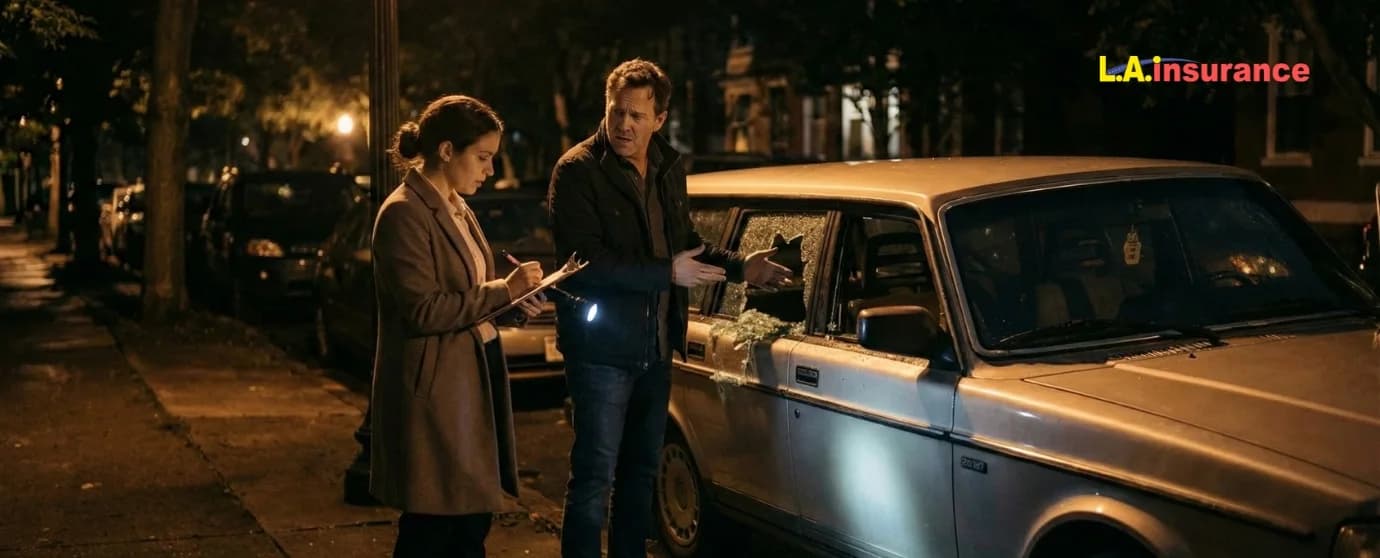
- Just take a moment to imagine how it would feel if you noticed shattered glass where your car was parked, but that’s all there is, your car is gone! In the blink of an eye, it hits you that your car was stolen!
What Do You Need to Get Car Insurance?
Whether it’s your first time shopping for car insurance or you’re considering switching to another insurer, it’s essential to know what information and documents you need to provide to purchase car insurance.
What is Medical Payments Coverage for Car Insurance?
Medical payments coverage, or MedPay in short, is an optional add-on coverage in most states that pays the medical expenses of you and your passengers after a car accident, regardless of who’s at fault for the accident.

How to Change Address on Car Insurance?
If you’re moving to a different location, whether it's another town, city, county, or state, you’re required to update your address on your car insurance policy.
What Is Underinsured Motorist Coverage and How Does It Work?
Quick Answer: Underinsured Motorist Coverage (UIM) protects you when the at-fault driver has insurance, but their coverage limits are too low to pay for your injuries. In that case, UIM coverage helps cover the remaining medical bills and lost income.
Uninsured Motorist Coverage (UM): What It Is, What It Covers, and Why You Need It
Quick Answer: Uninsured Motorist Coverage (UM) protects you if you’re injured in an accident caused by an uninsured driver or a hit-and-run driver.